You may love adding chorizo to your chilaquiles, tacos, or eggs, but have you ever wondered if it’s good for your health?
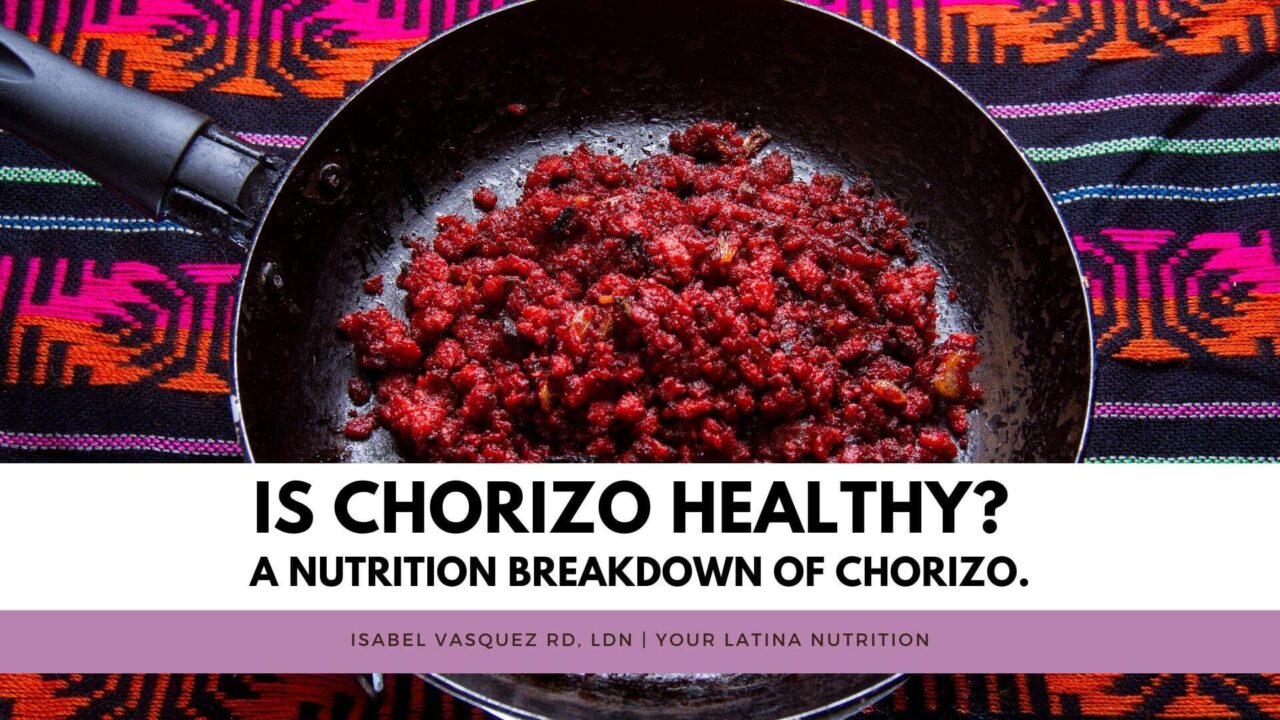
Mexican chorizo is a flavorful sausage that’s typically made from pork. You can find it eaten as a whole sausage link or crumbled into dishes. The Spanish also have a version of chorizo, but theirs is cured and can be eaten with or without heating it up. Plus, it uses different spices than Mexican chorizo.
You probably won’t be surprised to learn that chorizo is a great source of protein—an important nutrient for your muscles and bones. However, it also contains saturated fat and sodium, which you may want to be mindful of if you have heart health issues.
Keep reading to learn all about the nutritional value, health benefits, and potential health drawbacks of chorizo. We also share our tips for incorporating chorizo to support your health!
Chorizo Nutritional Value
Here is the nutrition profile of a medium size link of pan-fried pork chorizo (80 grams), per the USDA:
-
Protein: 16 grams (g)
-
Fat: 23 g
-
Saturated fat: 7.6 g, or 38% of the daily value (DV)
-
Carbohydrates: 2 g
-
Fiber: 0 g
-
Sodium: 790 milligrams (mg), or 34% of the DV
-
Iron: 1.9 mg, or 10% of the DV
-
Zinc: 1.8 mg, or 16% of the DV
-
Choline: 78 mg, or 14% of the DV
-
Vitamin B12: 1 microgram (mcg), or 41% of the DV
As you can see, chorizo is a good source of protein along with micronutrients like iron, zinc, choline, and vitamin B12. It also contains potassium, selenium, manganese, copper, and more.
However, it’s also very high in saturated fat and sodium—two nutrients that can contribute to cardiovascular health issues like high blood pressure and high cholesterol.
Health Benefits of Chorizo
Complete Source of Protein
You may already use chorizo (at least partially) to give your dishes protein! This is one of the biggest benefits of chorizo. Just one medium link has 16 grams of protein.
What’s more, it’s a source of complete protein with all nine essential amino acids that our bodies can’t make on their own.
You probably know that protein is important for your muscles, but did you know it’s also important for your bones, cartilage, hormones, skin, and blood? Yup, protein is the building block of all of these parts of your body, per the USDA!
So needless to say, eating protein is important for health.
Rich in Vitamins and Minerals
When it comes to micronutrients (aka vitamins and minerals), chorizo has a bunch. It’s especially rich in vitamin B12, selenium, choline, iron, and zinc. These vitamins and minerals in chorizo do so much for your body, including:
-
Vitamin B12 helps make DNA, per the NIH
-
Selenium helps promote thyroid and immune health, per the NIH
-
Choline supports brain and nervous system functioning, per the NIH
-
Iron is necessary for hemoglobin—a protein in your blood that transports oxygen throughout your body, per the NIH
-
Zinc supports immune health and helps make DNA, per the NIH
Iron is one of the most common nutrient deficiencies in the US, per the CDC, and eating foods like chorizo can help you meet your iron needs.
Promotes Satiety
As you now know, chorizo is especially rich in protein. Another benefit of protein is that it helps you feel full. Studies (like this 2014 study in Nutrition Journal) have found that protein-rich foods help keep people fuller longer than ones that primarily contain fat or carbs.
If you find yourself snacking all day or not feeling full after meals, it’s worth ensuring you eat enough protein. This could mean adding chorizo to tacos, pastas, or burritos. It’s a convenient way to enhance your dishes with protein to keep you held over for longer.
Potential Health Drawbacks of Chorizo
High in Sodium
We need some sodium, but eating too much can increase your risk of high blood pressure, per the American Heart Association (AHA).
On average, Americans consume 3,300 mg of sodium per day, per the CDC. However, the Dietary Guidelines for Americans recommend limiting sodium to 2,300 mg per day.
Meat dishes, especially cured meats (like Spanish chorizo), are some of the main sources of sodium in American diets. Just one medium link of chorizo has 34% of the DV for sodium, per the USDA.
This doesn’t mean you have to avoid chorizo entirely, but it’s something to be mindful of, especially if you’re trying to manage high blood pressure.
When selecting chorizo, you can check the nutrition facts label to find an option with less sodium or rely more on spices and herbs for flavor instead of salt.
High in Saturated Fat
Chorizo is also typically high in saturated fat. This is another nutrient that Americans tend to overconsume. Eating too much of it can lead to high LDL cholesterol levels.
The Dietary Guidelines for Americans recommend limiting saturated fat to no more than 10% of your total calorie intake. For a 2,000-calorie diet, that’s about 22 grams per day.
Each medium link of pork chorizo has about 8 grams of saturated fat, per the USDA, which is about 35% of the DV.
Again, this doesn’t mean you have to avoid chorizo entirely. However, particularly if you have high cholesterol, you may want to be mindful of how much or how often you eat it. You can also check the nutrition label to select chorizo that’s lower in saturated fat.
Tips for Incorporating Chorizo to Promote Your Health
As we shared above, just because chorizo is high in sodium and saturated fat doesn’t mean you can’t incorporate it in an overall healthy diet. Here are some tips for incorporating chorizo to support your health:
-
Opt for leaner cuts. The type of meat you use to make chorizo impacts its total saturated fat content. Especially if you have high cholesterol and are trying to be mindful of your saturated fat intake, we suggest using a leaner ground meat.
-
Pair it with veggies. To add fiber—a nutrient that supports heart, metabolic, and gut health, per the CDC—and get in more vitamins and minerals, pair chorizo with veggies. This could mean adding peppers, onions, avocado, and salsa to tacos or tostadas.
-
Add whole grains. Whole grains also add fiber to your meal. Plus, they provide carbs to give you energy. If you can, add corn tortillas to your meal. They’re a whole grain that goes great with chorizo!
-
Mix it with leaner proteins. Since chorizo is typically made with fatty cuts of meat, you can lower the overall saturated fat content of your meal by mixing it with leaner types of proteins like beans. This way, you can use less chorizo but still get in enough protein. As a bonus, beans also provide additional fiber.
-
Add sabor. Don’t shy away from adding flavor! Things like salsa, peppers, spices, and herbs give chorizo dishes their signature Latin flare, but they can also contribute antioxidants and other plant nutrients.
Final Thoughts
Chorizo is an easy and delicious way to add protein to meals like chilaquiles, tacos, tostadas, and burritos. It also provides vitamins and minerals like iron, vitamin B12, and choline.
However, it’s usually high in sodium and saturated fat, which can raise blood pressure and LDL cholesterol.
This doesn’t necessarily mean you should avoid chorizo entirely! Instead, be mindful of how much you eat by mixing it with lean proteins like beans and leaning on spices and herbs for flavor instead of a lot of salt.
For education on how to ADD nutrition to your favorite Latine cultural dishes, make peace with food, and focus on your health without dieting, join our nutrition library for just $27/month.