
Chula, ven con gusto
In the Your Latina Nutrition blog, we help you learn to nourish & respect your body without harsh food rules, overcome cycles of bingeing and restriction, and embrace your here-and-now body.
You can do this all while keeping your cultural foods alive & adopting health-promoting behaviors.
Enjoy our research-backed articles written by registered dietitians Isabel and Dalina!
Blog Categories
ALL POSTS | RECIPES | INTUITIVE EATING | JOYFUL MOVEMENT | BODY IMAGE | GENTLE NUTRITION | CULTURA
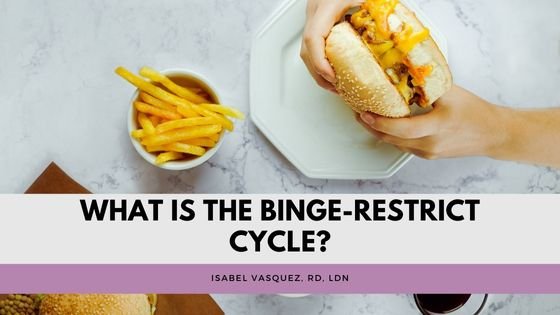
What is the Binge Restrict Cycle?
Binge eating is often preceded by restriction. Learn all about the binge restrict cycle, and how to break free from it.

3 Tips for Making a Well-Rounded Smoothie
Nothing beats a cold refreshing smoothie when it’s hot outside, but sometimes smoothies are too light to serve as a meal. Learn 3 tips to make a well-rounded smoothie for sustained energy levels and health.
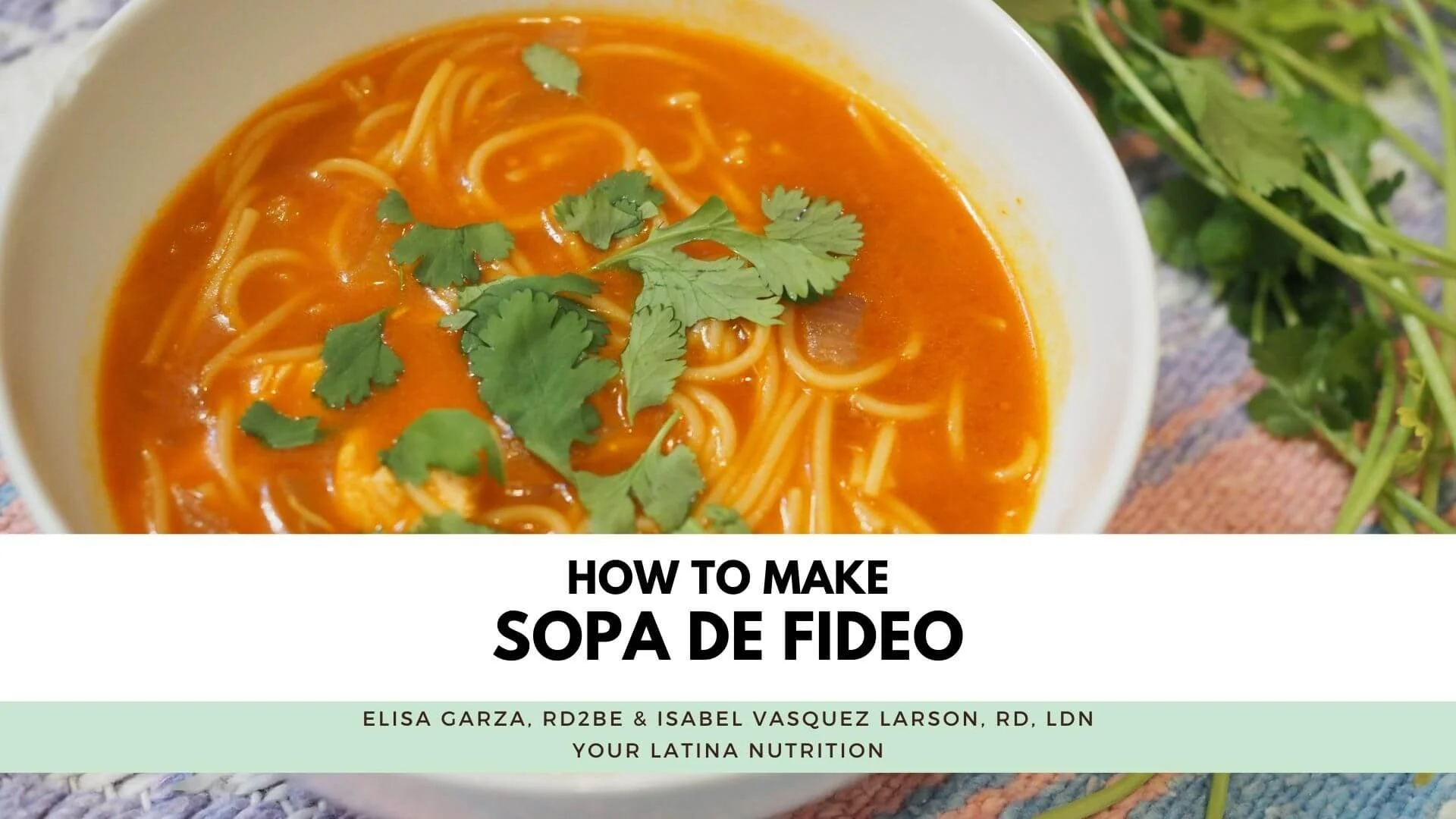
Sopa de Fideo Recipe
This classic Mexican Sopa de Fideo is packed with flavor and nutrients from tomato, garlic, onion, bouillon, lime, cilantro, and, of course, cultura.
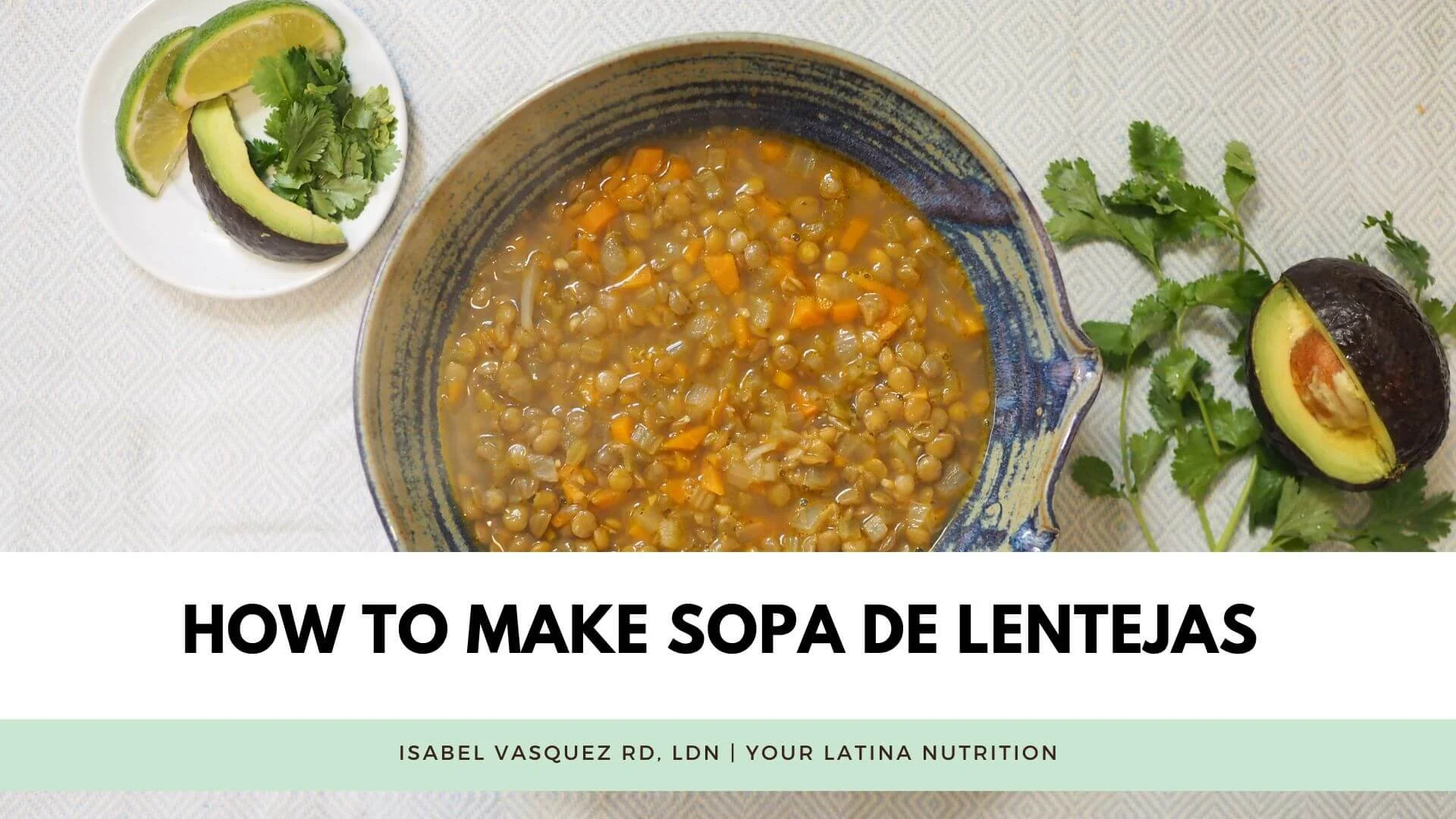
Sopa de Lentejas
This sopa de lentejas is easy to make and full of protein and fiber.
Experiencing Extreme Hunger in Eating Disorder Recovery? Here's why and what to do about it.
Experiencing extreme hunger in eating disorder recovery is normal. Learn why it happens, what it means for your body, and how to honor your hunger without shame.
What's the Difference Between Hunger and Appetite?
Hunger is a physiological drive to eat, whereas appetite is a mental desire for food. Both are worth honoring, but distinguishing between the two can help you build a stronger relationship with your body.
Obsessed With Food? Here's why and how to stop.
Food obsession often happens because of food restriction. Learn more about why you may be obsessed with food and how to stop the obsession.
Fasting After a Binge is Harmful. Here's Why.
Fasting after a binge can harm your relationship with food. Learn why fasting after a binge is harmful and what to do instead.
What is Food Noise? And 4 Ways to Manage It
Food noise is persistent, unwanted thoughts about food. It can take up lots of mental real estate, but there are a few ways to manage it.

Emotional Hunger vs. Physical Hunger: How to Tell the Difference
Emotional hunger is when you seek food to cope with an emotion, while physical hunger happens in response to your body's biological need for food. Learn practical ways to tell the difference between the two.
Take the Your Latina Nutrition Food Freedom Quiz!
Food freedom may seem far-fetched, but you can absolutely find food freedom with work and intention. Take our food freedom quiz to learn if you have made peace with food.
Hungry But Nothing Sounds Good? Here's why and what to do about it.
Experiencing hunger without an appetite can happen for a variety of reasons, from depression to a nutrient deficiency and more. Learn six reasons why this happens and dietitian-approved tips for what to eat when it does.

Food Habituation: The Case for Eating Whatever You Want
Have you ever avoided keeping a specific food in the house out of fear you’ll eat the whole package in one sitting? Many people avoid keeping chips, cake, cookies, or ice cream around for this very reason.
But what if I told you that keeping these foods around could actually heal your relationship with them?
We think the issue is the food itself and that the solution is simply to avoid it. We end up depriving ourselves of foods we really enjoy! Or we don’t give ourselves the chance to neutrally observe whether or not we even like the food. Food habituation can help.

What Are The Four Types Of Hunger In Intuitive Eating?
Our bodies are set up to combat starvation. When your body is being underfed (like when you’re dieting), it sets into motion biological hunger signals to get you to eat. If these signals are ignored long enough, like through chronic dieting or an eating disorder, your body may stop sending these hunger cues. It may try to adjust to working on less energy.

How to Use the Hunger Fullness Scale for Intuitive Eating
With the prevalence of diet culture in our society, it’s no wonder so many people feel disconnected from their hunger and fullness cues. According to the CDC, as of 2013-2016, about half of Americans reported trying to lose weight in the last 12 months. And the majority of people reported eating less food to do so.
When you’re ready to ditch diets and embrace a healthier relationship to food and your body, one step can be relearning to honor your body’s hunger and fullness cues. That’s where the hunger fullness scale comes into play.

C.H.U.L.A. Method Breakdown: Listen to Your Hunger
Hunger cues are your body’s way of communicating its needs with you, but many people ignore or suppress these cues. Learn how to reconnect with your hunger and the importance of honoring hunger cues.

Why Should I Prioritize Satisfaction With Food?
Satisfaction and pleasure are underrated aspects of healthy eating. They may improve digestion and overall health outcomes! Learn more about why and how to find satisfaction with food.

How Do I Eat Intuitively When I Have a Nontraditional Work Schedule?
Intuitive eating allows you to be flexible in how you eat, which is helpful when you don’t work a 9-5. Learn intuitive eating concepts that can help you make peace with food when you have a nontraditional work schedule.
Are Latine Foods Nutritious?
Despite what you may have heard, Latine cultural foods are full of nutrition. Learn the nutrition benefits of common Latine foods.