Key Points
- Chilaquiles are a balanced Mexican breakfast with carbs, protein, and fat
- They are high in fiber, calcium, and vitamin B12
- When preparing chilaquiles, opt for ingredients lower in sodium and saturated fat to support heart health
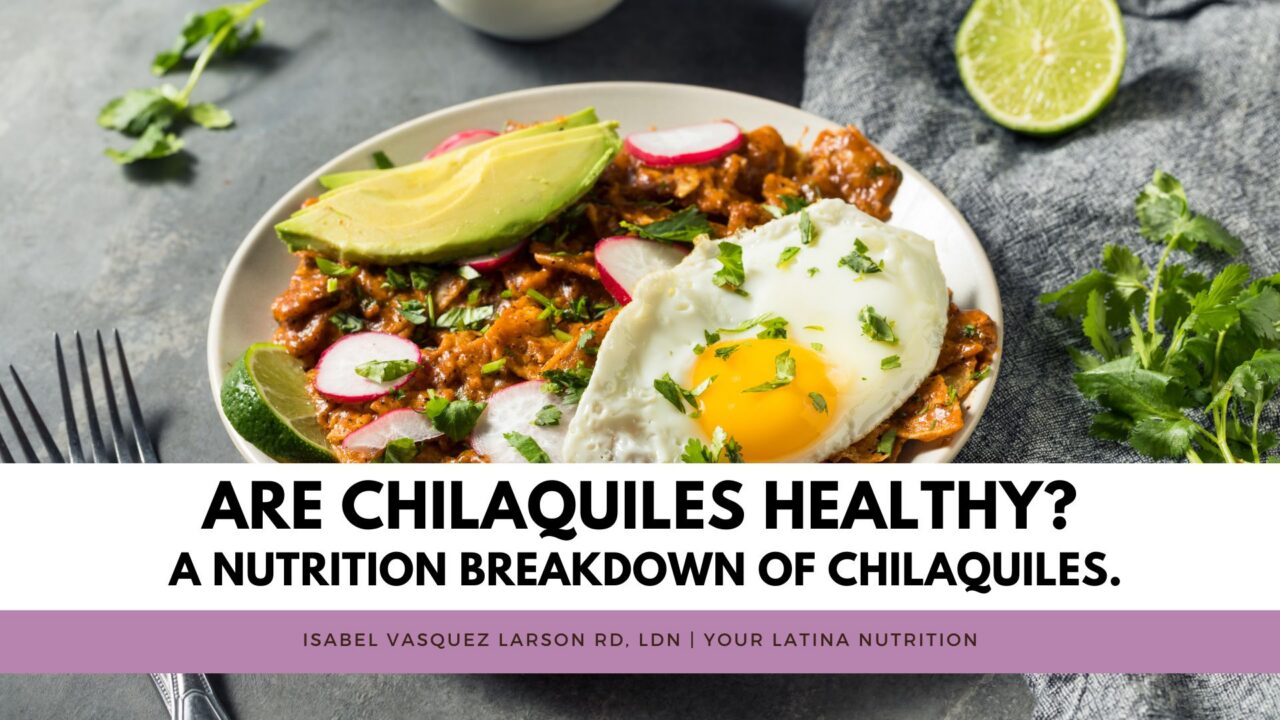
Chilaquiles are a comforting Mexican breakfast dish made by simmering tortilla chips in a red or green salsa. They’re typically topped with eggs, queso fresco, onions, or avocado.
They’re definitely different from breakfasts like overnight oats or green juices you probably see touted as ‘healthy’ in wellness media, but are chilaquiles healthy? Yes! They’re a balanced breakfast high in fiber, calcium, and protein. However, there are some potential nutrition drawbacks when it comes to heart health.
In this article, we’re sharing the nutrition facts of chilaquiles, their health benefits and drawbacks, and dietitian tips for preparing them. Let’s get into it!
Chilaquiles Nutrition Facts
Here are the nutrition facts of 1 cup (170 grams) of chilaquiles, according to the USDA:
- Calories: 332
- Carbohydrates: 25 g
- Protein: 18 g
- Fat: 18 g
- Saturated fat: 9 g, or 45% of the daily value (DV)
- Fiber: 4 g, or 14% of the DV
- Sodium: 622 mg, or 27% of the DV
- Calcium: 333 mg, or 26% of the DV
- Magnesium: 56 mg, or 13% of the DV
- Vitamin B12: 0.85 micrograms (mcg), or 35% of the DV
That said, this data may not represent the most authentic chilaquiles out there. The ingredients they accounted for are tortillas, cheese, eggs, and tomatoes. It doesn’t incorporate salsa, which adds more vitamin C to the dish.
Plus, toppings provide an opportunity to add more nutrition to your chilaquiles. For example, avocado, onions, radishes, and beans increase the fiber, vitamin, and mineral content.
Health Benefits of Chilaquiles
Well-Rounded Macronutrients
Chilaquiles have the makings of a balanced meal. They have a solid mix of carbs, protein, and fat—the key to satiety, steady energy, and adequate nutrition. So they’ll likely leave you feeling full through the morning!
Rich in Fiber
Another big benefit of chilaquiles is their fiber content. Whether you’re concerned about blood sugars, gut health, cholesterol, or satiety, fiber can help, per the CDC.
Even without extra high-fiber toppings, chilaquiles have about 15% of the DV for fiber per serving. Simply adding ½ avocado and ½ cup of refried beans adds another 9 grams of fiber, or 32% of the DV!
Given that most Americans only meet about half of their daily fiber needs, per the USDA, this is a huge asset of chilaquiles.
Good Source of Protein
Chilaquiles also provide a solid amount of protein—18 grams per serving when made with eggs. You can also add protein via beans, shredded chicken, and cheese.
Starting your day off with a protein-rich breakfast may benefit muscle health, cognitive function, and appetite regulation, according to a 2025 study in Nutrition Reviews, a 2021 study in The American Journal of Clinical Nutrition. And chilaquiles fit the bill!
Protein gets digested slower than carbs, so it’s key to feeling fuller longer, balancing blood sugars, and having steady energy.
Contain Calcium for Bone Health
Many Americans fall short on calcium—a mineral that gives structure to your bones, per the NIH. Fortunately, chilaquiles have about ⅓ of adults’ calcium needs thanks to calcium-rich ingredients like cheese and nixtamalized corn tortillas.
Corn tortillas provide highly-digestible calcium if they’re made with nixtamalized corn, per a 2005 study in The Journal of Nutrition! When treated with lime—calcium hydroxide—the corn’s calcium content goes up and becomes easier for our bodies to absorb, per a 2025 study in the International Journal of Food Science.
This is good news for building strong bones and preventing osteoporosis and bone fractures, per the NIH.
Potential Health Drawbacks of Chilaquiles
There are certainly some nutrients to look out for in chilaquiles, particularly if you have high cholesterol or high blood pressure. Chilaquiles are often high in saturated fat and sodium, which Americans tend to overconsume already, per the 2020-2025 Dietary Guidelines for Americans.
Consuming excess saturated fat can raise LDL cholesterol (the “bad” kind), per the American Heart Association (AHA). And too much sodium can contribute to high blood pressure, according to a 2023 study in JAMA.
That said, be mindful of all-or-nothing thoughts and behaviors creeping in. Just because chilaquiles can be high in these nutrients, doesn’t mean you should avoid them entirely. If you want to make chilaquiles a regular part of your diet, keep reading for our dietitian tips to prep them.
How to Prepare Well-Balanced Chilaquiles
Chilaquiles’ nutritional value varies a lot based on how you prepare them. Here are some tips to make them as nutrient-dense as possible:
- Opt for low-sodium salsa. If you prepare your own homemade salsa, it’s probably already lower in sodium than a store-bought option. However, if you prefer to buy premade salsa (we get it!), simply compare the sodium content on the nutrition labels to select one that’s lower in sodium.
- Add high-fiber toppings. As we shared earlier, most people could stand to eat more fiber, and chilaquiles present an opportunity to increase your fiber intake. Top your chilaquiles with avocado, beans, onions, and peppers for plenty of fiber.
- Use lean proteins. Lean proteins are ones without much fat, especially saturated fat. When it comes to chilaquiles, we recommend beans, chicken, or eggs. They’re better for heart health than proteins high in saturated fat like sausage or fatty cuts of beef, per the AHA.
Final Thoughts
For savory breakfast lovers, chilaquiles are a solid option. They’re a balanced breakfast that can keep you full through the morning instead of leaving you hungry an hour later. That’s thanks to their balanced macros and fiber, which promotes steady blood sugars and energy levels.
For the most benefits, keep an eye on the sodium and saturated fat content of the ingredients you use—particularly the salsa and protein source you choose.
We also suggest loading up on fiber-rich toppings like onions, peppers, avocado, and beans. Not only will that enhance the nutritional benefits of your chilaquiles, it’ll also make them even more tasty!
For education on how to ADD nutrition to your favorite Latine cultural dishes, make peace with food, and focus on your health without dieting, join our nutrition library for just $27/month.