If you were just diagnosed as diabetic, you probably left the doctor’s office with a prescription and a very short list of foods you’re “allowed” to eat, and rice probably wasn’t on it.
What you should eat now is mostly the same food you ate before, put together a little differently. You don’t need to give up your rice and beans, your tortillas, or your café con leche. You need a plan built around the way you already eat.
Key Points
- Being diagnosed with type 2 diabetes or prediabetes does not mean giving up rice, tortillas, plátanos, or any other food you grew up with.
- What changes is how you put a meal together, because pairing carbs with protein, fiber, and fat slows how fast they raise your blood sugar.
- Cutting out carbs and skipping meals tends to backfire, while eating regularly and moving after meals make a bigger difference.
This is a conversation I have with almost every person who comes to our practice in the first few weeks after a diagnosis. Below I’ll walk through what the diagnosis means and how to build a plate that keeps your blood sugar steadier without taking anything off your table.
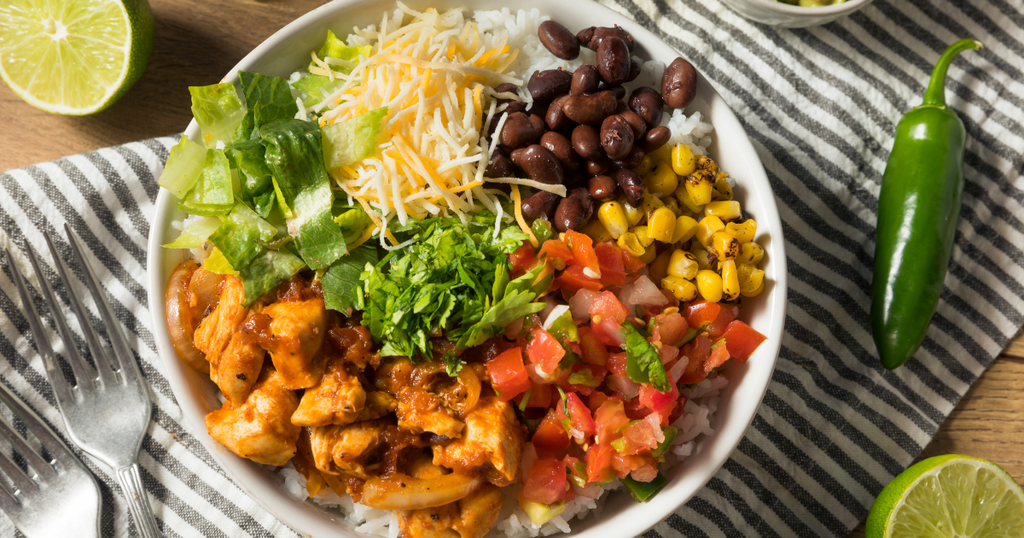
Because how you eat and how food nourishes you matter, and giving up your culture to manage any chronic condition is not needed.
What a Type 2 Diabetes Diagnosis Means
Type 2 diabetes means your body isn’t moving sugar (glucose) out of your blood and into your cells as well as it should. Usually that’s because your cells have become less responsive to insulin, the hormone that does that job, and over time your pancreas has a harder time keeping up.
Think of insulin as the key that opens the door to the cell. If the lock on the cell isn’t working and won’t let insulin open the door, sugar can’t get into the cell to be used as energy.
Doctors diagnose it with a few blood tests.
These are the American Diabetes Association’s cutoffs:
| Test | Normal | Prediabetes | Diabetes |
|---|---|---|---|
| A1C | Below 5.7% | 5.7% to 6.4% | 6.5% or higher |
| Fasting blood sugar (mg/dL) | Below 100 | 100 to 125 | 126 or higher |
| 2-hour glucose tolerance test (mg/dL) | Below 140 | 140 to 199 | 200 or higher |
A1C reflects your average blood sugar over about the last three months, which is why it’s the number your doctor will keep checking.
Type 2 diabetes runs strongly in families, and Latinos are diagnosed at higher rates than non-Hispanic white adults in the US. That has a lot to do with genetics, stress, access to care, and the neighborhoods and jobs people live and work in, and none of it is a verdict on your abuela’s cooking.
A lot of people I see carry real shame about their diagnosis, as if they caused it by eating “wrong,” and that shame tends to make every next step harder.
Why Cutting Out Carbs Usually Backfires
The first thing most people do after a diagnosis is cut out carbs, which usually means no rice, bread, tortillas, or fruit. Sometimes a family member helps by announcing it at dinner.
I understand why, since carbohydrates raise blood sugar the most and removing them sounds logical. In practice it rarely lasts, though, and what happens after it stops is often worse than where you started.
Carbs are your body’s preferred fuel, and your brain runs on glucose. When you cut them out, you get hungrier and more focused on food. Then one night, after three “good” weeks, the rice is right there and you eat a lot of it fast, and the guilt starts the next round of cutting back. That pattern has a name, the binge-restrict cycle, and it’s hard on your blood sugar and on you.
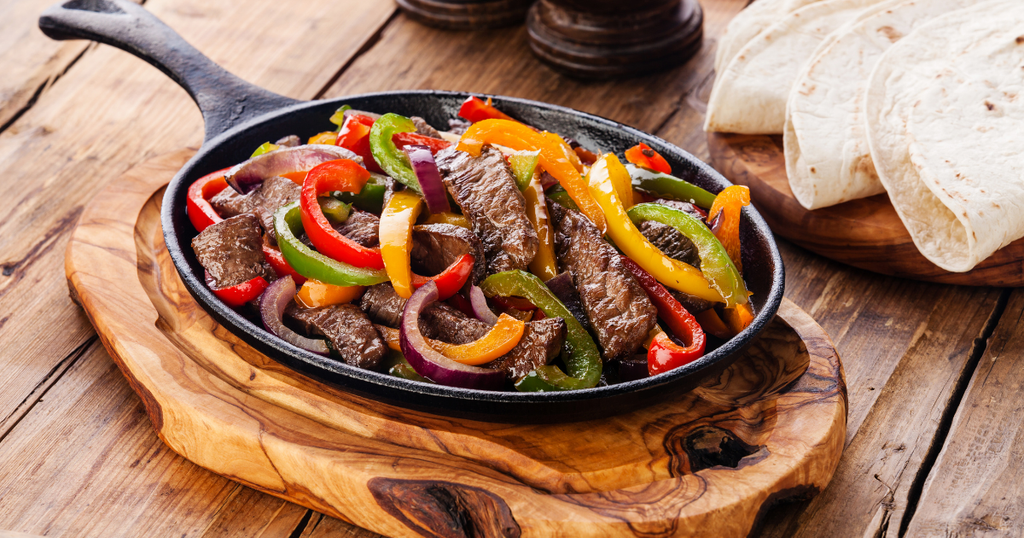
There’s also a cultural cost the pamphlets never mention. If every meal at your mother’s house is now off-limits, you either stop going or eat and feel terrible about it, and neither one is a health plan.
What to Eat After You’re Diagnosed
Carbs raise blood sugar (because that is their primary job), and protein, fiber, and fat slow down how fast that happens.
When you eat carbs on their own, especially on an empty stomach, blood sugar climbs quickly. When you eat them as part of a full plate, it rises more gradually and comes down more gently.
The part I love is that a lot of traditional Latin American meals already do this.
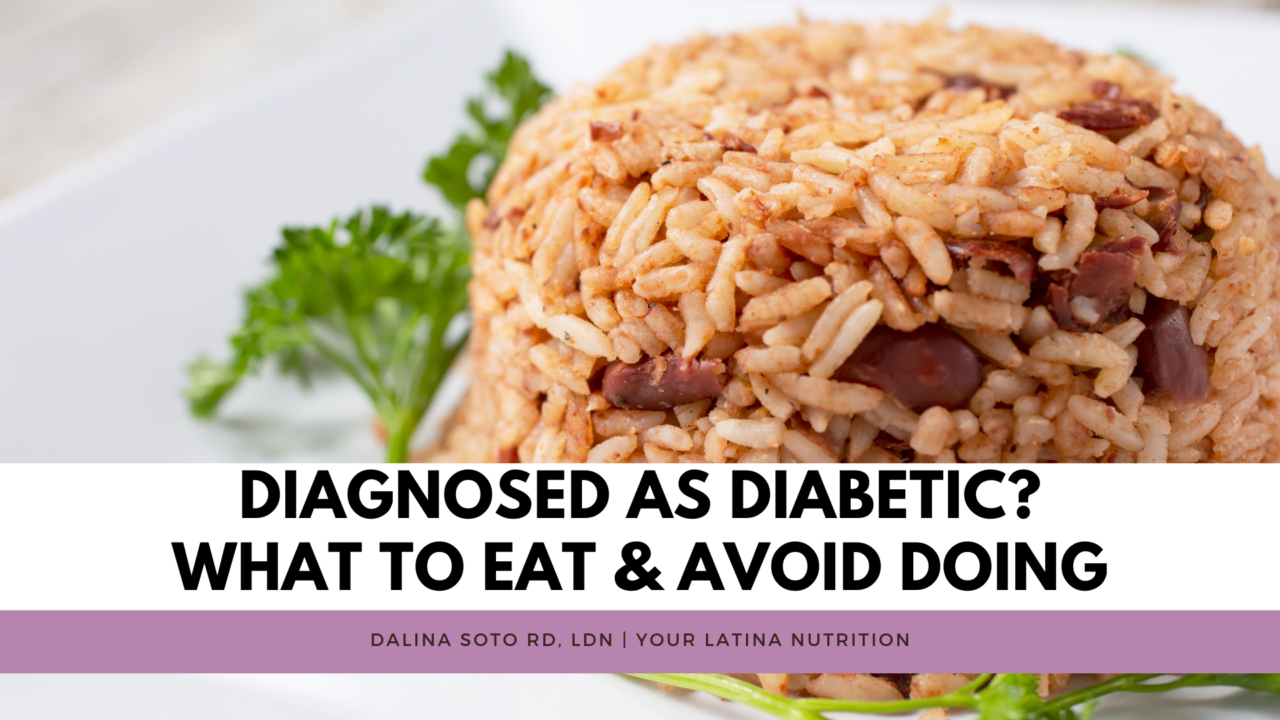
Arroz con habichuelas is the best example.
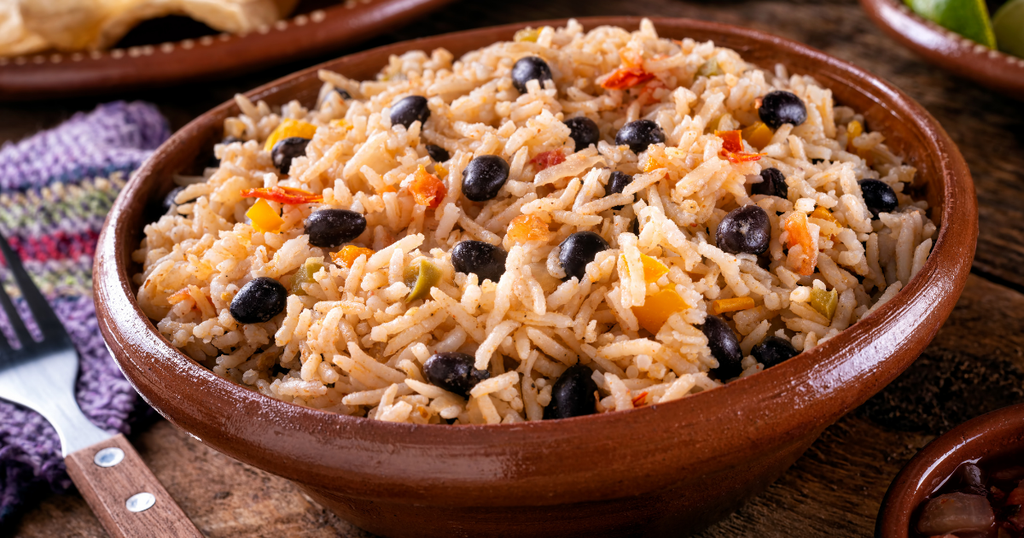
Rice on its own is a fast-digesting carb, and the beans bring fiber and protein.
Research on rice served with black beans or chickpeas found a smaller rise in blood sugar after the meal than rice by itself.
The plate your family has been eating for generations is already doing what a diabetes handout tells you to do, and it rarely gets the credit.
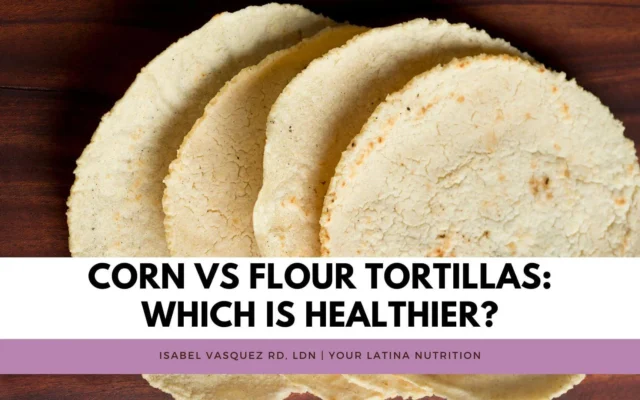
Corn tortillas are the same story, since traditional ones are made from nixtamalized corn that’s cooked and soaked in lime (calcium hydroxide). That process makes the corn’s niacin available to your body and adds calcium, and corn tortillas carry more fiber than most flour ones.
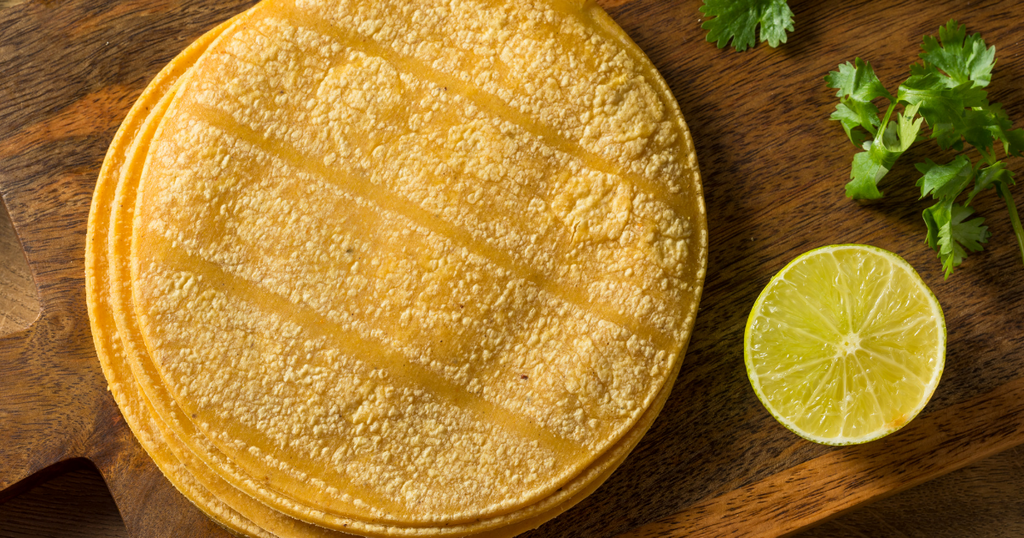
Wrapped around beans, eggs, chicken, or nopales, they’re part of a balanced meal. (More on that in Is Corn Good for Diabetes? and how to enjoy tortillas without blood sugar spikes.)
When you put a meal together, think MyPlate but in thirds: a third of your plate carbs, a third protein, and a third veggies. Then look for these four things:
- A carb you love: rice, tortillas, plátanos, yuca, potatoes, pan, or arepas.
- A protein: chicken, fish, eggs, beans, cheese, pork, or beef.
- Fiber: beans, vegetables, salad, avocado, or fruit with the skin on.
- Some fat: avocado, cooking oil, cheese, or nuts. Fat slows digestion, which helps here.
A few plates that already check every box:
- Mangú with eggs, queso frito, pickled onions, y aguacate
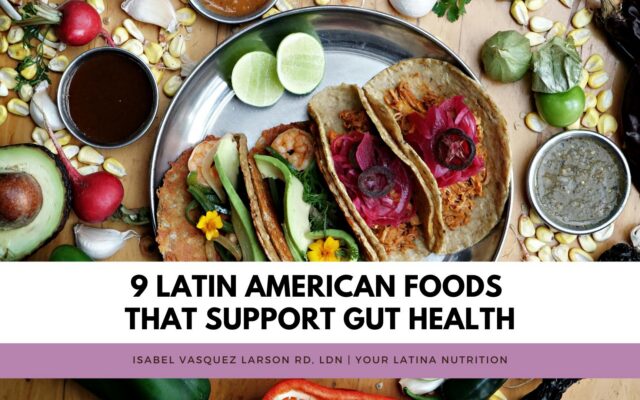
- Corn tortilla tacos with chicken, beans, and cabbage, plus avocado if you have it
- Arroz con habichuelas with pollo guisado and a simple salad
- Arepas with black beans, cheese, and avocado
- Caldo or sancocho with the yuca and corn left in, along with the meat and vegetables already in the pot
If you want ideas for getting more fiber in without changing what you cook, beans and avocado do a lot of the work.
Eat Regularly, Even When You’re Not Hungry Yet
It surprises a lot of people that skipping breakfast, or “saving up” for dinner, tends to make blood sugar swing more. You get very hungry, eat a large meal quickly, and your blood sugar has a bigger jump to make.
Eating every three to five hours (roughly three meals, plus a snack if there’s a long gap) keeps things steadier and makes it easier to stop eating when you’re satisfied. If mornings are rushed, breakfast can be small, like a boiled egg and a piece of fruit, yogurt, or last night’s beans on a tortilla.
Your café con leche counts too, especially alongside food rather than on an empty stomach. (I wrote more about that in café con leche and your morning blood sugar.)
Move a Little After You Eat
You don’t need a gym membership, because a 10 to 15 minute walk after meals helps your muscles pull glucose out of your blood. Studies have found that even short walks after eating lower the blood sugar rise from that meal.
That can be walking the dog, walking to the corner store, or dancing in the kitchen while the dishes soak. If movement has felt like punishment in the past, this is a good place to start rethinking it.
What You Don’t Have to Do
You’ll get a lot of advice in the next few months, much of it from people who mean well. Some of it you can skip:

- You don’t have to buy “diabetic” or sugar-free versions of everything. They’re often expensive and not very satisfying, and many sugar alcohols can upset your stomach.
- You don’t have to go keto. Very low carb diets can lower blood sugar in the short term, but most people can’t keep them up, and you shouldn’t have to give up your culture to manage your health.
- You don’t have to eat separately from your family. The same meal can work for everyone at the table.
- You don’t have to be perfect. One high reading after a birthday party doesn’t undo anything.
That said, watch for all-or-nothing thinking creeping in. A diagnosis can make every meal feel like a test you’re passing or failing, and that pressure is exactly what pushes people toward cutting out entire foods and then swinging back the other way.
Your blood sugar responds to patterns over weeks and months, and one plate of rice doesn’t change the pattern.
When to Get Support
Your doctor will handle medication and lab work. A registered dietitian is the person who helps you figure out what to actually eat, day to day, in your real life.
Diabetes is one of the conditions where nutrition counseling is most often covered by insurance. Our team is made up of Latina dietitians who know your food and your family. We take insurance and can verify what your plan covers.
Check what your plan covers here.
If you’d rather not count carbs or follow a rigid plan at all, you might also like our guide to intuitive eating with diabetes.
Frequently Asked Questions
Can I still eat rice if I have diabetes?
Yes, you can. Rice raises blood sugar, but eating it with beans, protein, and vegetables slows that rise, and many people with diabetes eat rice every day.
What should I eat the first week after being diagnosed as diabetic?
Keep eating your usual foods at regular times, and pair carbs with protein and fiber at each meal. Skip the big overhaul, since small changes you can keep up work better than a strict plan you drop in a month.
Are tortillas okay for diabetes?
Yes. Corn tortillas made from nixtamalized corn are a whole grain with fiber, and both corn and flour tortillas fit into a balanced meal when they’re filled with protein and vegetables.
Is fruit bad for diabetes?
No, whole fruit has fiber, vitamins, and water. Eating it with a meal or with something like nuts, cheese, or yogurt can keep blood sugar steadier than eating it alone.
Can type 2 diabetes be managed without giving up cultural foods?
Yes. Managing diabetes comes down to patterns like regular meals, balanced plates, movement, sleep, stress, and medication when you need it, and none of that requires giving up the foods you grew up with.
Does insurance cover a dietitian for diabetes?
Many private plans cover dietitian visits. The easiest way to know is to check your specific plan.
Final Thoughts
A diabetes diagnosis can feel like someone just took your plate away, but the rice, the beans, the tortillas, and the plátanos all still belong to you. What changes is how you build the meal around them and how much support you have while you figure it out.
You don’t have to do that part alone. Verify your insurance and work with a Latina dietitian who will help you manage your blood sugar with the food you already love.
Sources
- American Diabetes Association Professional Practice Committee. “2. Diagnosis and Classification of Diabetes: Standards of Care in Diabetes—2026.” Diabetes Care 2026;49(Suppl 1).
- Thompson SV, Winham DM, Hutchins AM. “Bean and rice meals reduce postprandial glycemic response in adults with type 2 diabetes: a cross-over study.” Nutrition Journal 2012;11:23.
- Buffey AJ, Herring MP, Langley CK, Donnelly AE, Carson BP. “The Acute Effects of Interrupting Prolonged Sitting Time in Adults with Standing and Light-Intensity Walking on Biomarkers of Cardiometabolic Health in Adults: A Systematic Review and Meta-analysis.” Sports Medicine 2022;52(8):1765-1787.
- Centers for Disease Control and Prevention. National Diabetes Statistics Report.