If you’re looking up pernil calories before Thanksgiving or Nochebuena, the short answer is that pernil is a rich, protein-heavy dish made from pork shoulder, so it carries more calories and saturated fat per bite than chicken breast or pork loin. It also brings real protein, iron, zinc, and B vitamins to the table.
And remember that calories and fat are not the enemy. Your body needs both, and they bring nutrition and satisfaction to your plate.
Key Points
Every November, pernil gets filed under “holiday splurge,” right next to the coquito and the flan. I’d like to take it out of that file. Below I’ll walk through what’s actually in it and how to build a plate around it that feels good, including if you’re managing cholesterol or blood pressure.
Pernil is a cultural tradition for so many of us, and it shouldn’t have to be swapped out unless you truly want to. For me, the holidays are just not the same without pernil and arroz con gandules. It’s the memories of all the Thanksgivings and Nochebuenas I’ve spent with the people I love. It’s dancing to bachata and salsa in tiny living rooms while everyone sings at the top of their lungs. It’s ingrained in my DNA, and I never want to give that up and neither should you.
- Pernil is a slow-roasted, marinated pork shoulder, and it’s one of the best sources of protein on a holiday table.
- Pernil calories and saturated fat run higher than leaner cuts because it’s made from the shoulder, which is a big part of why it stays so tender after hours in the oven.
- Served the traditional way, with arroz con gandules and a salad, pernil is part of a balanced plate you don’t need to earn.
What Is Pernil?
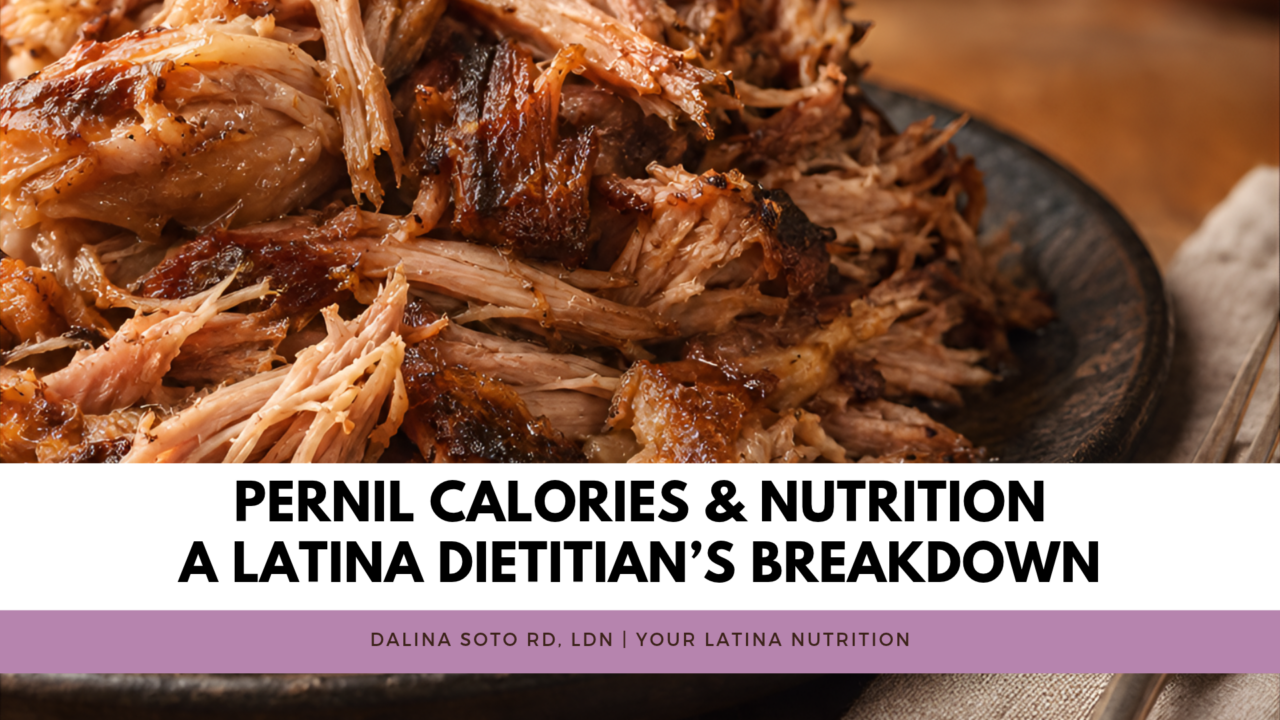
Pernil is pork shoulder (sometimes the leg) that’s marinated and then roasted low and slow for hours. It’s most closely tied to Puerto Rico, where it’s the centerpiece of Nochebuena and a lot of Thanksgiving tables, and you’ll find versions of it in Cuban and Dominican kitchens too.
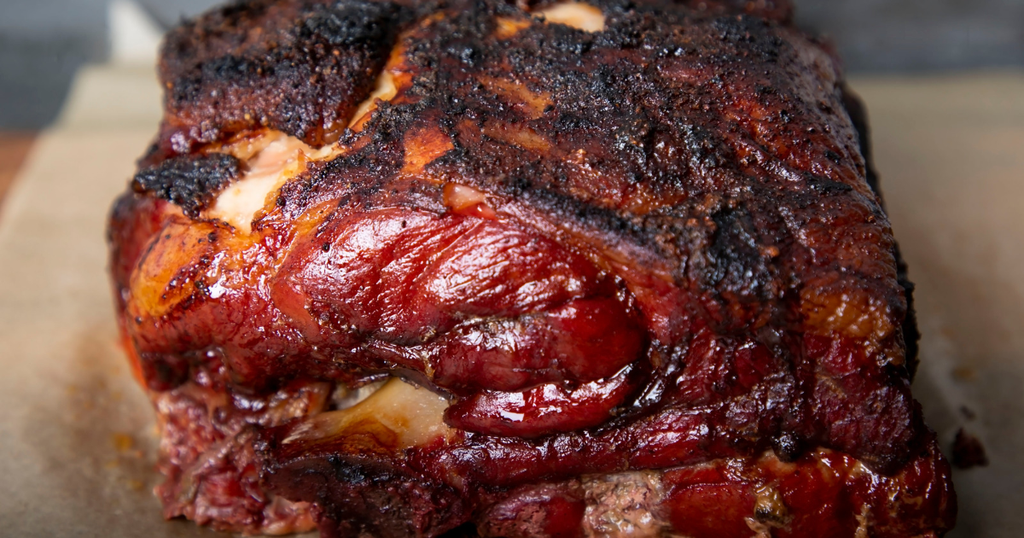
The marinade does most of the work. Most families cut slits in the pork and rub a garlic and oregano paste plus sofrito (often with adobo, sazón, olive oil, and vinegar or sour orange) all the way in, then let it sit overnight or longer. Then it goes into the oven for most of the day, until the meat pulls apart with a fork and the skin on top turns into cuero, the crackling everyone fights over.
Every family makes it a little differently, and the recipe is usually guarded by whoever has made it the longest.
Pernil Calories and Nutrition Facts
Here’s what USDA FoodData Central lists for 3 ounces (85 g) of roasted pork shoulder. The “with fat” column is closest to a typical serving of pernil.
| Per 3 oz (85 g) | With fat | Lean meat only |
|---|---|---|
| Calories | 248 | 196 |
| Protein | 19.8 g | 21.5 g |
| Total fat | 18.2 g | 11.5 g |
| Saturated fat | 6.7 g | 4.1 g |
| Cholesterol | 77 mg | 77 mg |
| Sodium | 58 mg | 64 mg |
| Iron | 1.1 mg | 1.3 mg |
| Zinc | 3.2 mg | 3.5 mg |
| Thiamin (B1) | 0.49 mg | 0.53 mg |
Keep in mind that database entries are based on plain roasted pork. Homemade pernil will vary depending on the cut, how much of the fat cap and cuero ends up on your plate, and how much adobo and salt went into the marinade. Use these numbers as a general starting point, since your abuela’s version will have its own.
Health Benefits of Pernil
It’s a high-quality protein
Pork provides complete protein, meaning it has all the essential amino acids your body can’t make on its own. Protein helps you feel full and slows down how quickly the carbs on the rest of your plate raise your blood sugar, which matters on a plate that also has rice and gandules.
It’s one of the best food sources of thiamin
Pork is one of the richest food sources of thiamin (vitamin B1), which your body uses to turn food into energy. It also brings niacin, B6, and B12, which help with energy and keeping your nervous system working the way it should.
It brings iron and zinc
Pernil has heme iron, the form your body absorbs most easily, along with zinc for immune function and wound healing. For anyone who has been told they’re low in iron, a serving of pernil at the holidays helps.
Potential Drawbacks of Pernil
Pork shoulder is a fattier cut than loin or tenderloin, which is exactly why it gets so tender after hours in the oven. It also means pernil carries more saturated fat per serving, and the cuero adds more. If you’re managing high LDL cholesterol, that’s worth knowing, and pernil still fits on your plate. Just maybe leave the cuerito off your plate. I know, it’s the best part, but it’s what contributes the most saturated fat.
Sodium is the other thing to watch, since adobo and sazón are mostly salt and an overnight marinade pulls a lot of it into the meat. If you’re managing blood pressure, the marinade is a better place to pay attention than the pork itself. Making your own seasoning blends lets you lower the sodium, and buying lower-sodium versions at the market is another good option.
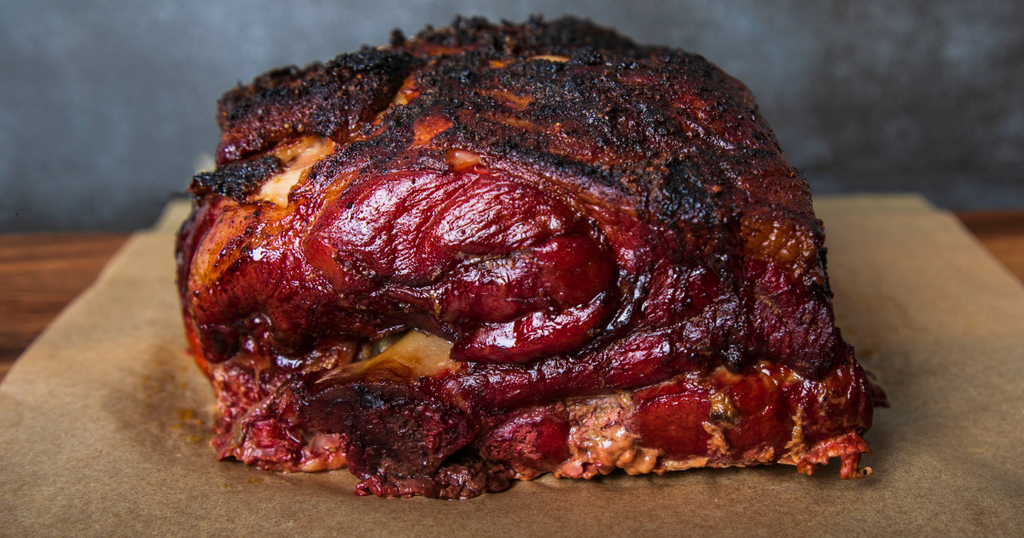
Portions can also creep up at the holidays, mostly because pernil is delicious and there’s always more of it in the kitchen.
That said, be mindful of all-or-nothing thinking creeping in, especially the urge to “save up” for the holiday meal by skipping breakfast and lunch. Arriving at the table starving is what makes it hard to tell when you’ve had enough, and it usually leaves you feeling worse afterward. Eat normally that day, and then enjoy your pernil. If restriction followed by overeating is a pattern you recognize, this post on the binge-restrict cycle explains why it happens.
How to Build a Balanced Pernil Plate
What I love about pernil is that the way it’s traditionally served is already a balanced plate, since nobody eats it by itself. It comes with arroz con gandules, a salad or ensalada de papa, maybe some tostones or a slice of aguacate, and that full plate is what keeps your energy and blood sugar steadier than the pork or the rice would on their own.
Some ways to build that plate on purpose:
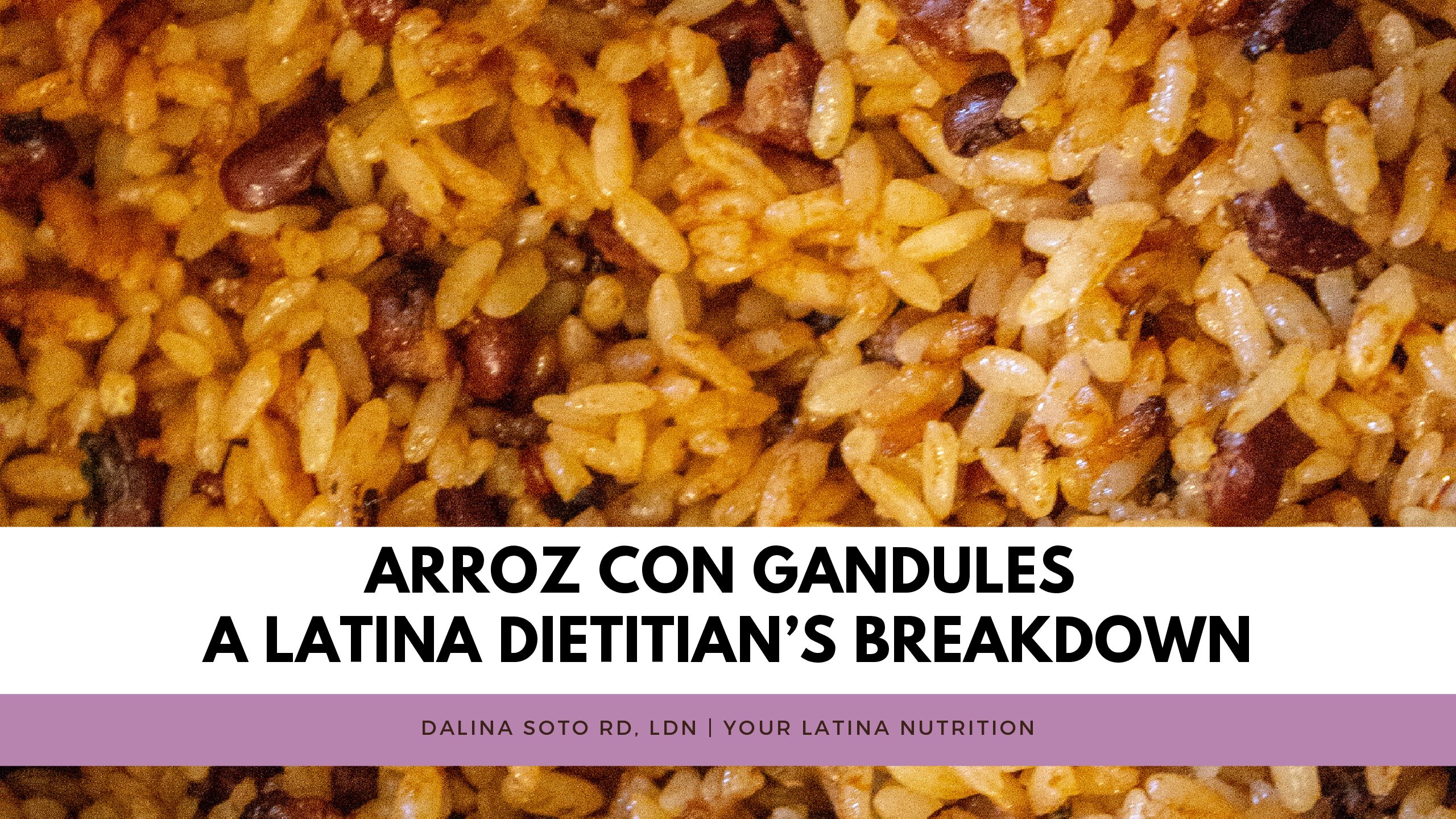
- Keep the gandules. Pigeon peas bring fiber and plant protein to the rice, which slows how fast the carbs hit your bloodstream. I break down the side dish in arroz con gandules calories and nutrition.
- Add something fresh. A simple salad, sliced tomato and onion, or aguacate adds fiber and balances the richness of the pork.
- Enjoy the cuero if your cholesterol allows. If it’s your favorite part and you’re not managing high LDL, have some, since a piece of crackling is part of the tradition and fits on a plate with everything else.
- Skim the drippings. When the roast comes out, let the juices settle and spoon off the fat that rises to the top before pouring them over the meat or rice. You keep all the flavor and leave some of the fat behind.
- Use the leftovers well. Leftover pernil is great tucked into a sandwich with lettuce and tomato, or stirred into rice and beans for an easy lunch the next day.
If you’re looking for more Nochebuena dishes and how they fit together, take a look at these traditional Noche Buena foods. And if the holidays tend to bring up a lot of food worry for you, this post on holiday eating fears is a good place to start.
Frequently Asked Questions
How many calories are in pernil?
Pernil calories depend on the cut and how much fat and cuero ends up on your plate. A 3-ounce serving of roasted pork shoulder has about 248 calories with the fat on and about 196 calories as lean meat only, according to USDA data. Homemade versions will vary.
Is pernil healthy?
Yes, pernil can be part of a healthy diet. It’s a high-quality protein with iron, zinc, and B vitamins. It’s also higher in saturated fat and sodium than leaner cuts, so serving it with arroz con gandules and a salad, the way it’s traditionally eaten, makes for a balanced plate.
Is pernil good for diabetes?
Pernil itself has almost no carbohydrates, so it won’t raise your blood sugar much on its own. The protein and fat in it can also slow down how quickly the rice and other sides affect your blood sugar. If you’ve recently been diagnosed, this guide to eating after a diabetes diagnosis walks through building a plate with your cultural foods.
Is the cuero bad for you?
The cuero isn’t “bad,” but it’s mostly fat and is the highest in saturated fat of anything on the pernil. If you’re managing high LDL cholesterol, it’s the one part I’d leave off your plate. Otherwise, enjoy a piece as part of a full plate, especially if it’s the part you look forward to all year.
Can I eat pernil if I have high cholesterol?
Yes. Pairing it with fiber-rich sides like gandules and salad, skipping the cuero, and skimming the fat from the drippings are easy ways to enjoy it while keeping saturated fat in check. Your dietitian can help you figure out what works for your labs.
Is pernil or turkey healthier for Thanksgiving?
Turkey breast is leaner than pernil, and both bring protein to the table. Many Latino families serve both, and the best choice is the one that makes the meal feel like yours.
Final Thoughts
Pernil has been on holiday tables for generations, and it belongs there. It’s a rich dish with real nutritional value, and the way it’s traditionally served, next to arroz con gandules and something fresh, already does a lot of the balancing for you.
If you’d like help building a holiday plate that works with your blood sugar or cholesterol, our team of Latina dietitians can help. We take insurance and can verify what your plan covers. Check what your plan covers here.
Sources
- U.S. Department of Agriculture, Agricultural Research Service. FoodData Central: Pork, fresh, shoulder, whole, separable lean and fat, cooked, roasted and separable lean only, cooked, roasted.
- National Institutes of Health, Office of Dietary Supplements. Thiamin: Fact Sheet for Health Professionals.
- U.S. Department of Agriculture and U.S. Department of Health and Human Services. Dietary Guidelines for Americans.
- American Heart Association. Saturated Fat.
- American Diabetes Association Professional Practice Committee. Standards of Care in Diabetes—2026.