If you’re looking up arroz con gandules calories before the holidays, there’s a good chance someone has already told you to “go easy on the rice.” Arroz con gandules is a carb-forward side, and a cup of it will raise your blood sugar more than a plate of salad would, but that doesn’t mean you shouldn’t eat it. It also brings something plain rice doesn’t: gandules (pigeon peas) cooked right into it add fiber and plant protein to every spoonful.
Key Points
- Arroz con gandules is rice cooked with pigeon peas, sofrito, and seasoning, and it’s one of the most loved dishes on the Puerto Rican holiday table.
- The pigeon peas bring fiber, plant protein, and folate, which makes this rice dish more filling and better balanced than plain white rice.
- Sodium is the main thing to watch, and a few small, optional choices can lower it without changing the dish at all.
So yes, arroz con gandules can be part of a healthy holiday plate.
Below I’ll cover what’s in it, the nutrition facts, what it does well, the parts worth knowing about if you’re watching blood sugar or blood pressure, and how to build a plate around it.
What Is Arroz con Gandules?
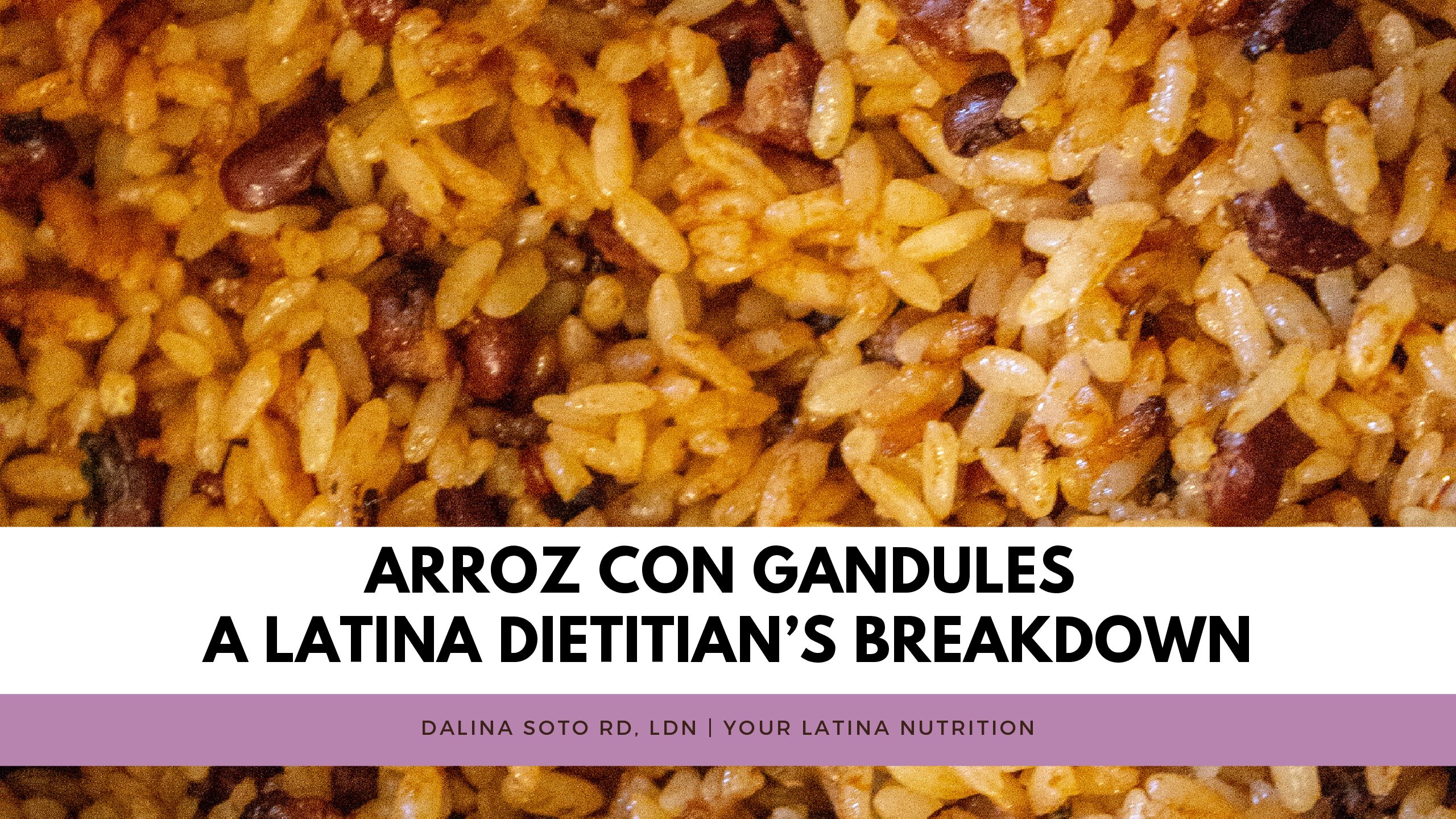
Arroz con gandules is Puerto Rico’s best-known rice dish, and it’s often called the island’s national dish. Rice is cooked in one pot (traditionally a caldero) with gandules, sofrito, sazón, tomato sauce, and alcaparrado, the mix of olives and capers that gives it a briny bite. Many families add pork, like ham, bacon, or salted pork, for flavor.
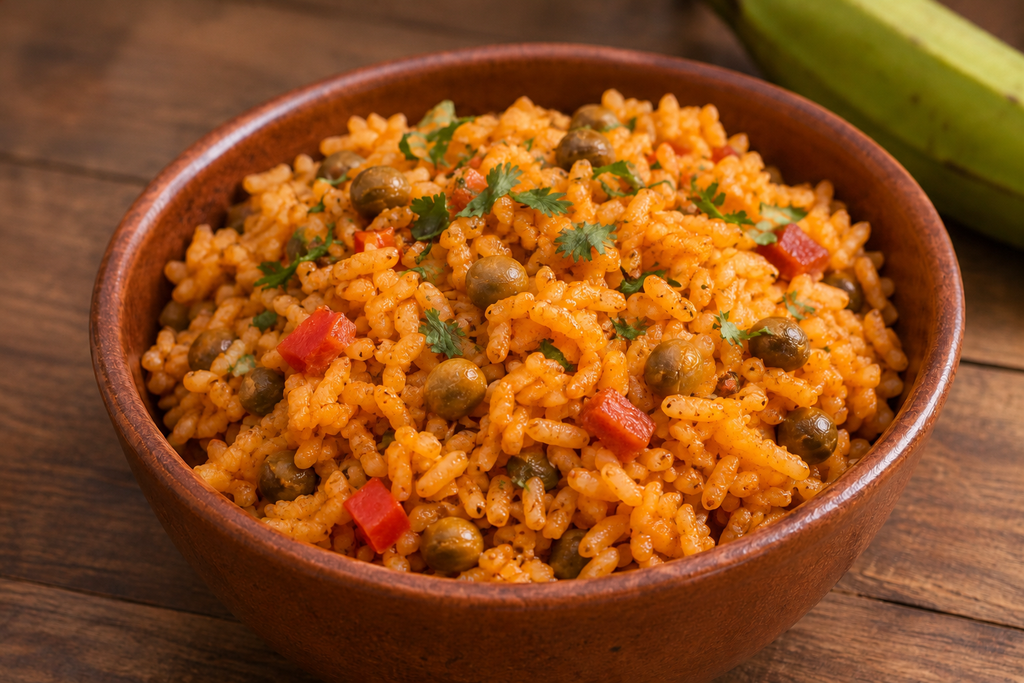
The best part, for a lot of people, is the pegao, the crispy layer of rice that forms on the bottom of the caldero, and families have been fighting over it for generations.
Pigeon peas traveled from Africa to the Caribbean, and today they show up in rice dishes across the region, from Puerto Rico to the Dominican Republic and Panama. In Puerto Rico, arroz con gandules is the centerpiece side at Christmas and Nochebuena, usually next to pernil, pasteles, and potato salad, and it shows up at Thanksgiving tables across the diaspora too. (If you’re curious what else lands on that holiday table, here’s a look at traditional Noche Buena foods.)
Every family makes it a little differently, with fresh, frozen, or canned gandules and with or without pork, and everybody’s tía has an opinion about how much sofrito is enough.
Arroz con Gandules Calories and Nutrition Facts
USDA’s FoodData Central doesn’t have an entry for arroz con gandules as a dish, so there’s no standard number for the whole pot. The gandules on their own are easy to pin down, though.
One cup of cooked pigeon peas without salt has:
-203 calories
-39 g carbohydrates
-11.3 g fiber
-11.4 g protein
-0.6 g fat
According to USDA FoodData Central.
Any per-cup number for the whole dish depends heavily on the recipe. The amount of oil, whether there’s pork in the pot, and how much sazón and alcaparrado go in all change the numbers, so treat any figure as a ballpark.
The biggest factor in how many calories you get is the serving. A holiday plate piled high with arroz con gandules will have more than a scoop that shares the plate with pernil and salad, which is part of why the rest of the plate matters (more on that below).
Health Benefits of Arroz con Gandules
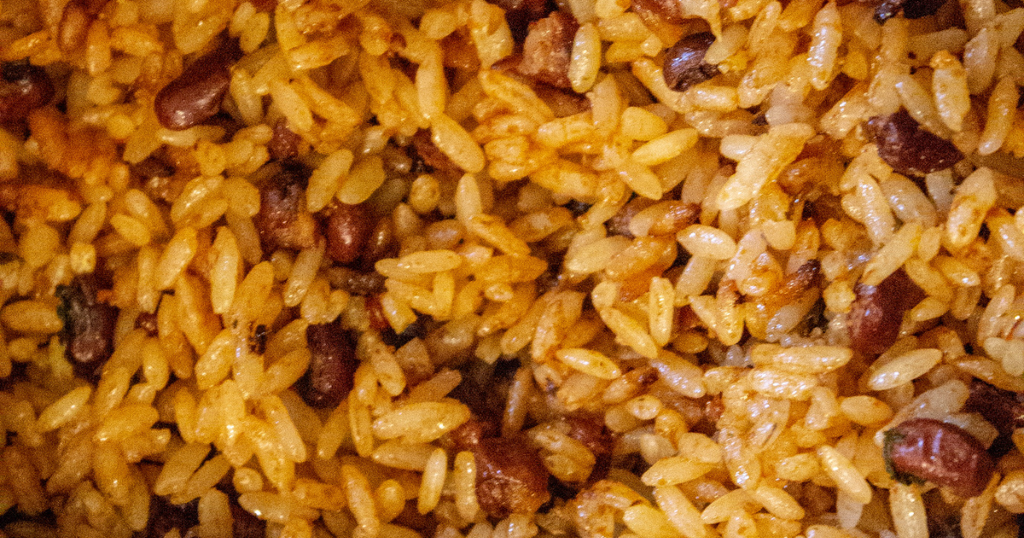
The Pigeon Peas Add Fiber and Plant Protein
Gandules are a legume, in the same family as beans, lentils, and chickpeas. Like other legumes, they bring fiber and plant protein to the pot, which turns a bowl of rice into something more filling and more balanced.
Fiber also supports digestion and heart health, and most of us don’t get enough of it. If you want more ideas for working fiber into the food you already make, beans and avocado are a great place to start.
Rice Cooked With Legumes Is Gentler on Blood Sugar
This is where the traditional dish shows how smart it is. Research on rice eaten with beans found that the meal raised blood sugar less than rice by itself in adults with type 2 diabetes. That study looked at beans like pinto and black beans, not gandules specifically, but pigeon peas are a legume with a similar mix of fiber and protein, so cooking them into the rice is the same kind of pairing.
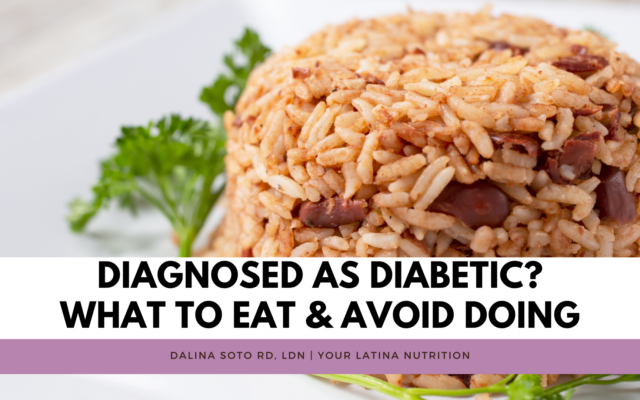
Puerto Rican cooks weren’t thinking about blood sugar when they put gandules in the rice, and the dish works in your favor anyway. If you’ve recently been diagnosed with diabetes, I wrote more about what to eat after a diagnosis, and rice stays on the table there too.
Folate and Other Nutrients
Pigeon peas are a good source of folate, a B vitamin your body uses to make new cells, and they also contain potassium and magnesium. One cup of cooked pigeon peas has about 187 mcg of folate, 645 mg of potassium, and 77 mg of magnesium, according to USDA data. Canned gandules are much higher in sodium than home-cooked ones.
Sofrito Brings More Than Flavor
Sofrito is built on peppers, onion, garlic, culantro, and cilantro, so every pot of arroz con gandules starts with a base of vegetables and herbs. It isn’t a large amount per serving, but it’s a real part of the dish and a big reason homemade versions taste so much better than anything from a box.
Potential Drawbacks of Arroz con Gandules
Sodium Adds Up
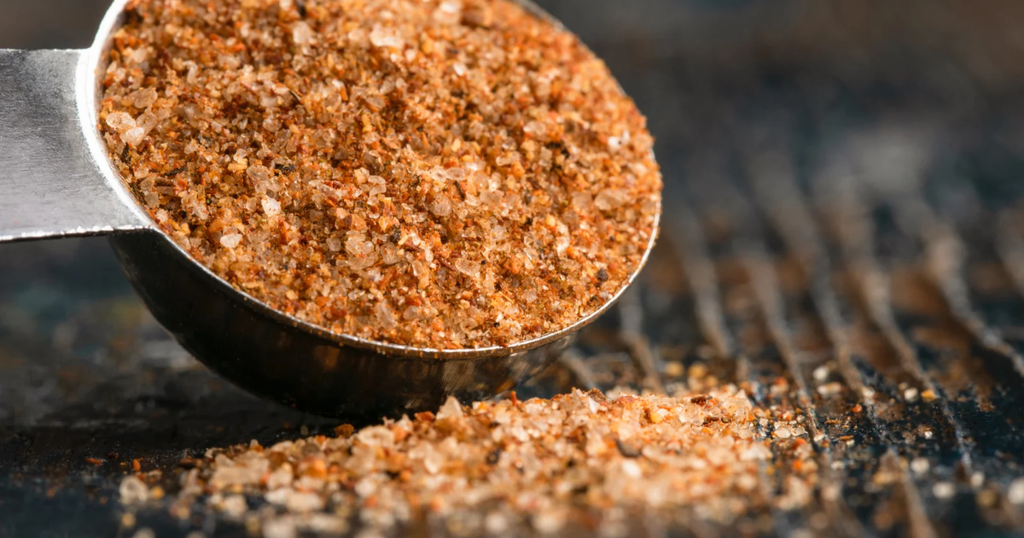
Most of the sodium in arroz con gandules comes from a few places, including sazón packets, adobo, canned gandules, ham or salted pork, and the olives and capers in the alcaparrado. If you’re managing high blood pressure or kidney health, that’s worth knowing, especially at the holidays, when the rest of the plate (pernil, pasteles) tends to be salty too.
It’s a Carb-Forward Side
Rice is the main ingredient, so arroz con gandules will raise your blood sugar. That’s what carbohydrates do, and it isn’t a reason to skip it. It does mean the rest of the plate, and how you feel about the meal overall, matter more than the rice by itself.
Saturated Fat From Pork
Versions made with ham, bacon, or salted pork carry more saturated fat. The amount per serving depends on how much pork goes into the pot and how fatty the cut is.
That said, be mindful of all-or-nothing thinking creeping in around the holidays. Skipping the arroz con gandules at dinner because it’s “too many carbs,” or eating very little all day to “save up” for it, usually ends with feeling deprived and then eating past comfortable. That cycle has a name, the binge-restrict cycle, and it does more harm than a plate of rice ever could.
How to Build a Balanced Arroz con Gandules Plate
None of these change the dish, since they’re small, optional ideas for the plate around it and the pot it’s cooked in.
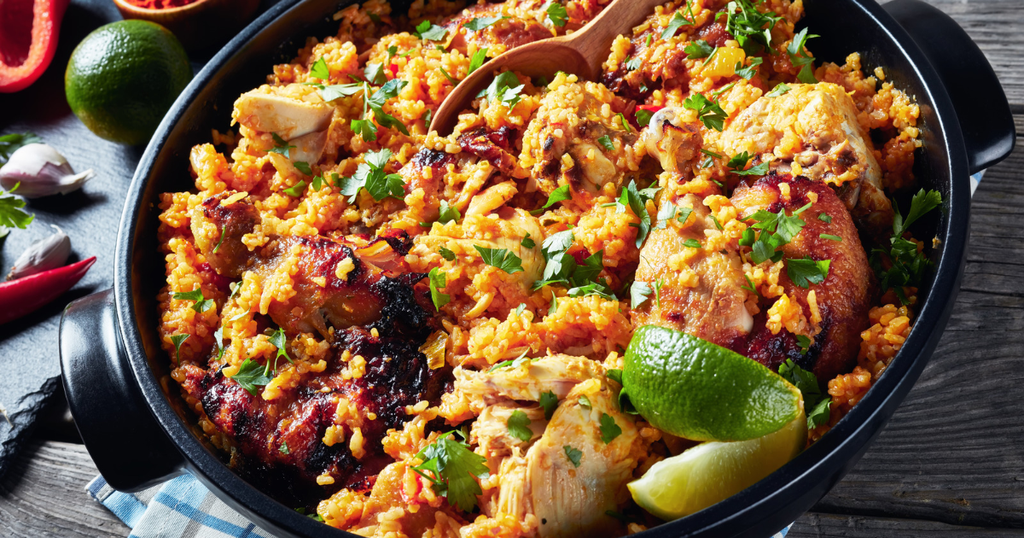
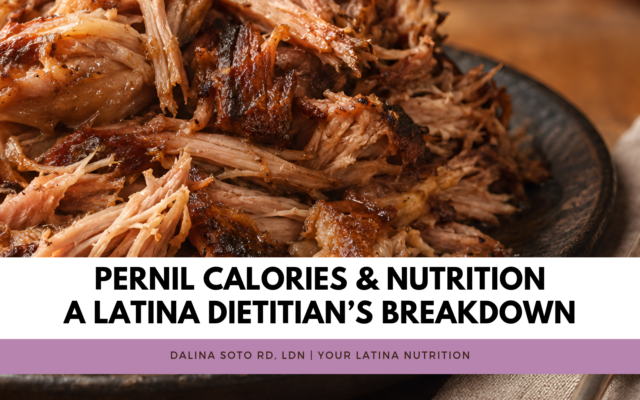
Pair it with a protein. Pernil, turkey, chicken, or fish next to the rice adds protein that slows down how quickly the carbs hit your bloodstream. It’s also how it’s served at most holiday tables anyway. (Here’s my breakdown of pernil calories and nutrition.)
Add something green or crunchy. A simple salad, avocado, or ensalada de coditos with some vegetables mixed in rounds out the plate with more fiber.
Eat regularly that day. Having breakfast and lunch before a holiday dinner keeps you from arriving starving, which makes it much easier to enjoy the meal and stop when you’re satisfied.
Choose lower-sodium seasoning if you’re watching blood pressure. Lower-sodium sazón and adobo are easy to find, and homemade sofrito carries the flavor no matter what. If you use canned gandules, a low-sodium can or a quick rinse cuts some of the salt.
Take a walk after dinner. A short walk after a big meal helps your muscles use some of the glucose from it, and it’s a nice excuse to step away from the kitchen.
Frequently Asked Questions
How many calories are in arroz con gandules?
USDA doesn’t list arroz con gandules as a dish, so there’s no single standard number. The gandules themselves have 203 calories per cooked cup, along with 11.3 g of fiber and 11.4 g of protein. The total for the dish depends on how much rice, oil, and pork your family uses, so treat any figure as an estimate.
Is arroz con gandules healthy?
Yes, it can be part of a healthy diet. The pigeon peas add fiber and plant protein, and pairing it with a protein and a salad makes it a balanced meal.
Is arroz con gandules good for diabetes?
It can fit into a diabetes-friendly meal. Rice raises blood sugar, but the gandules add fiber and protein, and eating it alongside meat and vegetables helps keep blood sugar steadier.
Are gandules (pigeon peas) healthy?
Yes. Pigeon peas are a legume with fiber, plant protein, folate, and minerals like potassium and magnesium.
Is arroz con gandules high in sodium?
It can be, depending on the sazón, adobo, canned gandules, ham, and olives in your family’s recipe. Lower-sodium seasonings and low-sodium canned gandules bring it down without changing the flavor much.
Is arroz con gandules the national dish of Puerto Rico?
It’s widely called Puerto Rico’s national dish, and it’s the rice that shows up at nearly every holiday table on the island.
Final Thoughts
Arroz con gandules has been the rice at the center of Puerto Rican holiday tables for generations, and it’s a better-balanced side than it gets credit for, thanks to the pigeon peas cooked right into it. If you’re watching sodium or blood sugar, the plate around it and a few small seasoning choices matter far more than skipping it.
If you want help building holiday meals that work for your blood sugar without giving up the food you love, our team of Latina dietitians can help. We take insurance and can verify what your plan covers. Check your coverage here.
Sources
- Thompson SV, Winham DM, Hutchins AM. “Bean and rice meals reduce postprandial glycemic response in adults with type 2 diabetes: a cross-over study.” Nutrition Journal, 2012.
- U.S. Department of Agriculture, FoodData Central. Pigeon peas (red gram), mature seeds, cooked, boiled, without salt.
- American Heart Association. Sodium.
- U.S. Department of Agriculture and U.S. Department of Health and Human Services. Dietary Guidelines for Americans.