Written by Isabel Vasquez Larson RD, LDN
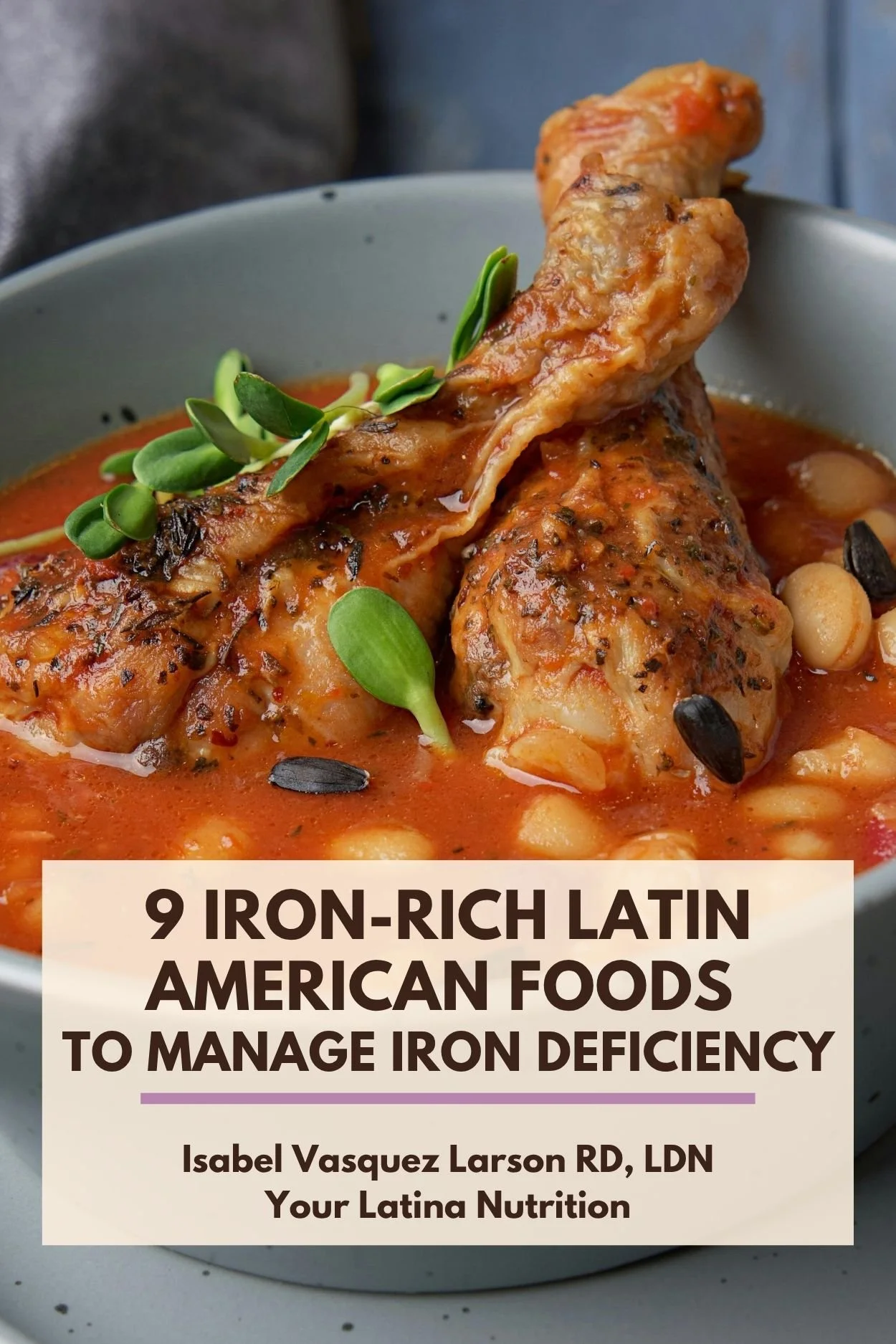
About 11% of Hispanic Americans have iron deficiency anemia, per the CDC. For females, the rate goes up to 15%.
Fortunately, you can often manage this condition with nutrition, including your cultural foods!
I spoke with our team of Latina dietitians to share our favorite cultural foods to boost your iron levels. Keep reading to learn our top 9 recommendations!
Habichuelas Guisadas
For Dalina Soto MA, RD, LDN—Dominican dietitian and founder of Your Latina Nutrition—habichelas guisadas are a cultural staple for increasing iron intake. One cup of kidney beans has 3 mg of iron, or 17% of the DV, per the USDA. Your body doesn’t absorb iron from plant foods as well as from animal foods, but vitamin C helps. “We add tomato paste to them, which is full of vitamin C,” she says. Look at all that ancestral nutrition wisdom!
Sopa de Lentejas
When Dominican dietitian Zariel Grullón RDN, CDN was growing up, her mom always made lentil soup to boost their iron intake. “I never knew WHY she would choose to do that but now as a dietitian I see that her wisdom was there all along,” says Grullón. Each cup of lentils provides 6 mg of iron, or 33% of the daily value (DV), per the USDA! “Pairing it with the pickled onions (which was my favorite part) makes the iron more bioavailable. So mami’s soup hit the spot in many more ways than one,” Grullón says.
Farina
In the US, many grains—like breakfast cereals, rice, bread, and pasta—are fortified with iron. In fact, about half of our iron intake in the US comes from bread, cereal, and other grain products, per the NIH.
When I was a kid, my Dominican grandmother would prepare farina for me. She’d cook it in milk and flavor it with cinnamon, nutmeg, vanilla, and sugar. Just thinking of the smell comforts me! I didn’t know it as a kid, but this wasn’t just a delicious breakfast, but a significant source of iron. Just one serving of farina has 10.8 mg, or 60% of the DV, of iron.
Avena
Avena is another breakfast that both of my abuelas—Puerto Rican and Dominican—often cooked when I was growing up. Although it’s not as high in iron as farina, one serving of Quaker oats has about 8% of the DV of iron—still a decent amount! To enhance iron absorption, pair your avena with a vitamin C-rich fruit like papaya or guava.
Tostada de Atún
“Tuna is a good source of iron, and when paired with foods like beans (on the side) the meal also provides plant-based iron and fiber,” says Ariana Kazandjian, RD, a central American dietitian. One can of albacore tuna has 1.7 mg of iron, or 9% of the DV, per the USDA. “To help your body absorb the iron better, try adding foods rich in vitamin C, such as tomatoes, salsa, cabbage, or a squeeze of lime on top of the tostada,” says Kazandjian. Looking for an easy way to do so? Check out this ceviche de atún recipe, which has tomatoes and lime juice for vitamin C.
Huevos Revueltos con Frijoles
Scrambled eggs with beans is a simple breakfast enjoyed across Latin America. “Beans and eggs together provide a good source of iron,” says Kazandjian. Each egg provides 1 mg of iron, per the NIH, and each ½-cup of refried beans has 1.7 mg of iron, per the USDA. So if you have two eggs with ½ cup of refried beans, you’ll get 20% of the DV for iron! Just like other plant-based iron sources, pair this meal with salsa, tomatoes, or lime for vitamin C to enhance absorption of the iron from the beans.
Jugo de Remolacha
Jugo de remolacha (beetroot juice) is a refreshing Dominican drink that can help boost your iron levels. One cup of beet juice has about 1.4 mg of iron, or 8% of the DV, per the USDA. It’s often combined with lemon or orange juice, which adds vitamin C for enhanced iron absorption. Check out this recipe from Dominican Cooking to make it yourself.
Carne Molida
Meat is one of the richest sources of iron, and we have lots of ways of enjoying meat in Latin America. One option Elisa Garza RD2Be recommends is carne molida. A 4-ounce serving of ground beef has 2.3 mg of iron, or 13% of the DV, per the USDA. “Beef is an iron-rich option that’s also packed with protein, zinc, and B vitamins that support muscle growth and overall health,” says Garza. Use it to make picadillo, nachos, or enjoy it in tacos for a generous helping of iron.
Carne Guisada
Lots of our Latin American cultures have variations of carne guisada. Whatever your unique way of prepping this beef stew, it’s a tasty way to boost your iron intake. A 3-ounce serving of chuck roast has 2.6 mg of iron, or 14% of the DV, per the USDA.
“Meals like carne guisada and carne molida are versatile and pair well with tortillas or rice for carbs, guacamole for healthy fats, and lime to enhance iron absorption,” says Garza. Plus, “Adding veggies like onions, garlic, tomatoes, and peppers boosts both flavor and fiber,” she adds.
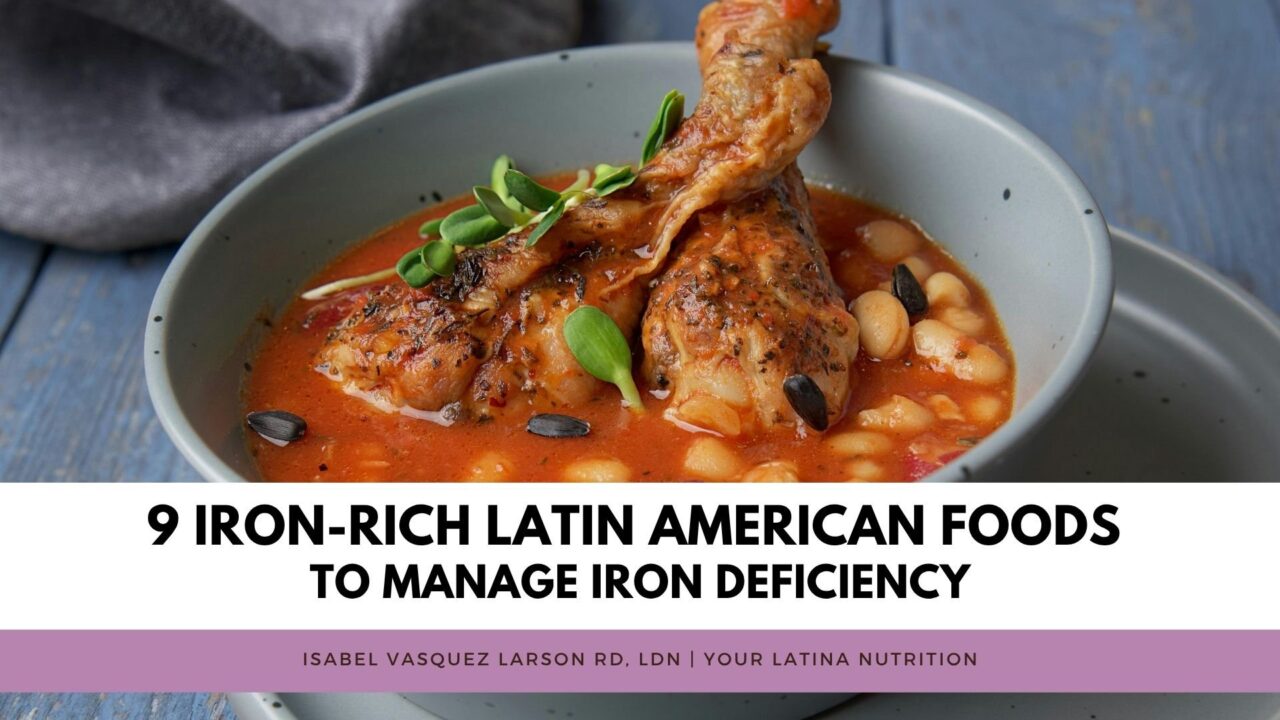
If you prefer pollo guisado, you’ll still get some iron. A 3-ounce serving of chicken leg has 1.2 mg iron, or 7% of the DV, per the USDA.
Final Thoughts
If you’re struggling with low iron levels, your cultural foods can help. From jugo de remolacha to carne guisada, there are iron-rich options for meat and veggie lovers alike.
As we always say, you don’t have to ditch your cultural foods to manage your health! They can be tools to support your health—physical, emotional, and social!
For more education on how to ADD nutrition to your favorite Latine cultural dishes, make peace with food, and focus on your health without dieting, join our nutrition library for just $27/month.
If you liked this post, you may also like:
Unpacking the Hispanic Health Paradox: What Our Culture Can Teach Us About Wellness
These Two Cultural Foods Can Help You Reach Your Fiber Goals With Ease
5 Myths About Latin American Foods, Busted by a Latina Dietitian